
Working capital is one of the most practical tools a Pennsylvania business can use to grow. Whether a company is based in Philadelphia, Pittsburgh, Harrisburg, Allentown, Erie, Lancaster, Scranton, expansion usually requires more than a good idea. It requires cash available at the right time.
Working capital is the money a business uses to cover day-to-day operating needs. It helps pay for inventory, payroll, supplies, vendor costs, marketing, rent, utilities, transportation, seasonal demand, and short-term growth expenses. When managed carefully, working capital can also become a growth engine. Instead of only keeping the business stable, it can help a company hire employees, add service areas, increase production, open another location, or take on larger contracts.
Key Takeaways
- Working capital gives Pennsylvania businesses the cash flow needed to expand without interrupting daily operations.
- Businesses can use working capital to hire employees, train staff, and support payroll during growth periods.
- Inventory, materials, equipment, marketing, and technology upgrades are common expansion expenses that working capital can help cover.
- Pennsylvania businesses can use working capital to enter new markets, serve nearby counties, and take on larger customer contracts.
- Seasonal demand in areas like Philadelphia, Pittsburgh, Lancaster, Hershey, the Poconos, and college towns can be managed more effectively with proper working capital planning.
- The best use of working capital starts with a clear growth plan, realistic cash-flow projections, and a funding option that matches the business’s needs.
For Pennsylvania businesses, working capital is especially important because the state has a diverse economy. Manufacturers in the Lehigh Valley, contractors in Central Pennsylvania, healthcare providers near Pittsburgh, restaurants in Philadelphia, logistics companies near major highway routes, and retailers in tourist areas like the Poconos or Lancaster County all face different cash-flow cycles. The common challenge is the same: growth often creates expenses before it creates revenue.
Why Working Capital Matters for Pennsylvania Business Expansion
Expansion can put pressure on a company’s cash flow. A business may need to buy materials, pay employees, lease equipment, increase advertising, or upgrade systems before new sales are collected. Even profitable businesses can struggle during growth if cash is tied up in receivables, inventory, or upfront project costs.
Working capital gives business owners room to act without slowing operations. For example, a contractor in York may need funds to purchase materials before receiving milestone payments. A food manufacturer near Reading may need to order packaging and ingredients before shipping a large wholesale order. A retail shop in State College may need extra inventory before football weekends, graduation season, or holiday shopping.
Pennsylvania also offers business financing support through state and local programs. The Pennsylvania Department of Community and Economic Development lists financing programs designed to support business growth, job creation, site development, equipment, and working capital needs. The U.S. Small Business Administration’s 7(a) loan program can also be used for working capital, expansion, equipment, and other business purposes, with a maximum loan amount of $5 million.
Using Working Capital to Hire and Train Employees
One of the most common ways to use working capital for expansion is hiring. Growth often requires more people before revenue fully increases. A business may need sales staff, warehouse workers, technicians, drivers, customer service representatives, office support, or managers to handle larger operations.
In Pennsylvania, hiring needs can vary by region. A home services company in Bucks County may need additional technicians to serve more neighborhoods. A logistics business near Harrisburg may need dispatchers and drivers to support routes across the Midstate. A manufacturer in Erie may need machine operators to increase production capacity.
Working capital can help cover wages, onboarding, uniforms, background checks, certifications, payroll taxes, and initial training. It can also reduce the risk of overburdening current staff during expansion. When employees are stretched too thin, customer service can suffer, errors can increase, and growth can become difficult to sustain.
Purchasing More Inventory and Materials
Inventory is another major use of working capital. Businesses often need to buy more products or raw materials before they can generate additional sales. This is especially true for retailers, restaurants, distributors, manufacturers, construction companies, and e-commerce businesses.
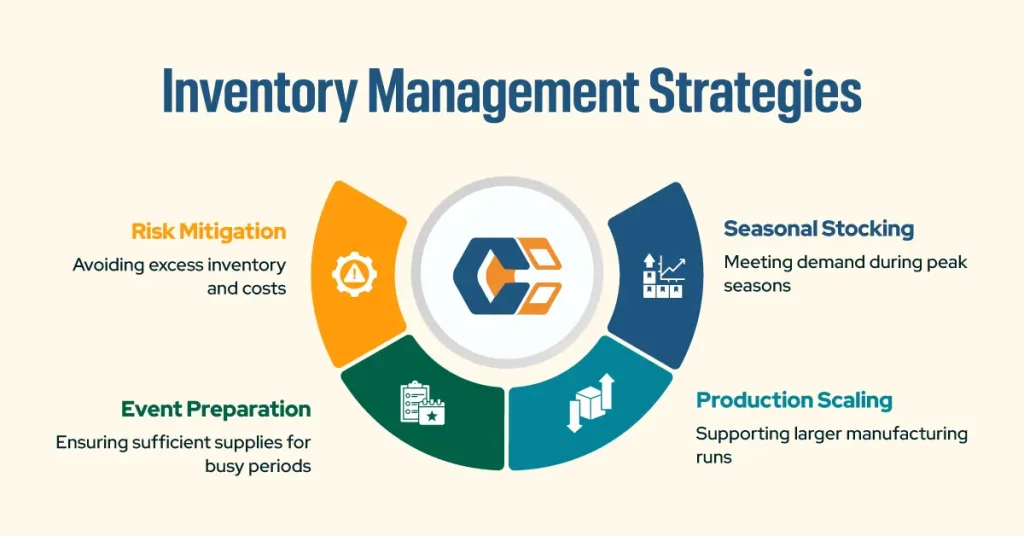
A boutique in downtown Lancaster may use working capital to stock seasonal merchandise before tourist traffic increases. A restaurant in Pittsburgh’s Strip District may use it to purchase food, beverage, and supplies before a busy event weekend. A manufacturer in Bethlehem may use it to buy components for a larger production run.
Using working capital for inventory can be smart when demand is predictable and margins are strong. However, owners should avoid tying up too much cash in slow-moving stock. The goal is to purchase enough inventory to support growth without creating storage problems, waste, or unnecessary carrying costs.
Expanding Into New Pennsylvania Markets
Working capital can help a business enter new local markets across Pennsylvania. A company that performs well in one city may want to expand into nearby counties or metro areas. For example, a business based in Philadelphia may begin serving Montgomery, Delaware, Chester, or Bucks County. A Pittsburgh company may expand into Cranberry Township, Monroeville, Washington County, or the South Hills. A Central Pennsylvania business may add customers in Harrisburg, Carlisle, Mechanicsburg, Lancaster, or Lebanon.
Market expansion usually requires upfront spending. A business may need local advertising, vehicle costs, sales visits, trade show participation, local SEO, new staff, permits, or temporary workspace. Working capital can cover these early expenses while the company builds brand awareness and customer relationships.
This type of growth works best when the business has already proven demand in its existing market. Expanding too quickly into unfamiliar areas can dilute resources. A measured approach allows the company to test demand, track lead quality, and adjust pricing before making larger commitments.
Investing in Marketing and Local Visibility
Working capital can also support marketing campaigns that bring in new customers. For Pennsylvania businesses, this may include search engine optimization, Google Business Profile management, paid search ads, social media campaigns, direct mail, local sponsorships, signage, email marketing, or website improvements.
Local visibility is especially important in competitive Pennsylvania markets. A roofer in Allentown, a dental practice in Philadelphia, a law firm in Pittsburgh, or an HVAC company in Harrisburg must be visible when customers search for nearby services. Working capital can help fund consistent marketing instead of relying only on referrals or seasonal demand.
For businesses with physical locations, marketing may also involve neighborhood relevance. Mentioning nearby landmarks, service areas, and communities can help customers understand where the business operates. A company near Rittenhouse Square, Shadyside, Market Square, King of Prussia, Hersheypark, or the Lehigh Valley Mall can use local context to make its content more relevant and useful.
Upgrading Equipment, Technology, and Systems
Operational expansion often requires better tools. A business may need updated machinery, point-of-sale systems, delivery vehicles, accounting software, customer relationship management platforms, scheduling tools, or cybersecurity improvements.
Working capital is useful for upgrades that support revenue growth or improve efficiency. A landscaping company in West Chester may need another mower or trailer. A medical office in Scranton may need scheduling software to handle more appointments. A manufacturer in the Lehigh Valley may need automation tools to reduce production delays.
Business owners should separate essential growth investments from nice-to-have purchases. The best use of working capital is usually tied to measurable outcomes, such as faster order fulfillment, higher production capacity, lower labor waste, improved customer experience, or stronger sales tracking.
Covering Payroll During Growth Periods
Payroll can become challenging during expansion because labor costs often increase before customer payments arrive. This is common for businesses that invoice clients, work on contracts, or deal with delayed payment cycles.
For example, a commercial cleaning company serving offices in Philadelphia may need to pay workers weekly or biweekly while waiting 30 to 60 days for client payments. A construction subcontractor in Pittsburgh may need to cover crews and materials before receiving payment from a general contractor. A staffing agency in Harrisburg may need to pay placed employees before collecting from clients.
Working capital can bridge this timing gap. It helps the business accept larger opportunities without disrupting payroll or delaying vendor payments. This is especially important because missed payroll can damage morale, retention, and reputation.
Supporting Larger Contracts and Purchase Orders
Many Pennsylvania businesses want to grow by winning larger contracts. This could include municipal work, school district contracts, healthcare contracts, university projects, corporate accounts, or supply agreements with larger companies.
Larger contracts can be valuable, but they often require upfront capacity. A business may need to purchase materials, hire temporary labor, increase insurance coverage, rent equipment, or meet compliance requirements before payment is received. Working capital can make it possible to accept these opportunities without draining cash reserves.
This is particularly relevant in sectors such as construction, manufacturing, janitorial services, transportation, food supply, professional services, and government contracting. Before using working capital for a large contract, owners should review payment terms, profit margins, delivery timelines, penalties, and the customer’s payment history.
Ready to Expand Your Pennsylvania Business With Working Capital?
Growth takes more than opportunity. It takes reliable access to capital at the right time. Whether your business needs funds for payroll, inventory, equipment, marketing, or larger contracts, Committed to Capital can help you explore working capital solutions designed to support your next stage of expansion.
Our team understands that every Pennsylvania business has different cash-flow needs. From local service companies and contractors to retailers, restaurants, manufacturers, and professional firms, we help business owners find practical funding options that align with their goals, timeline, and operating needs.
Improving Facilities and Physical Locations
Expansion may involve improving or enlarging a physical space. A business may need to renovate a storefront, add warehouse shelving, improve lighting, expand seating, update signage, or make a workspace safer and more efficient.
In Pennsylvania’s older commercial corridors, facility improvements can be especially important. Many buildings in cities like Philadelphia, Pittsburgh, Reading, Lancaster, and Scranton have historic character but may require updates to support modern operations. Working capital can help cover smaller improvements that do not require long-term real estate financing.
For larger property purchases, major renovations, or site development, businesses may need longer-term financing rather than standard working capital. Pennsylvania’s DCED lists multiple funding and financing programs for business expansion and development, and local economic development organizations may also provide guidance.
Managing Seasonal Demand in Pennsylvania
Seasonality affects many Pennsylvania businesses. Tourism can drive demand in the Poconos, Gettysburg, Hershey, Lancaster County, and the Laurel Highlands. College towns like State College and areas near major universities may see peaks around move-in weekends, graduations, and sporting events. Retailers often need more cash before the holiday season. Landscapers, roofers, and construction companies may experience weather-related cycles.
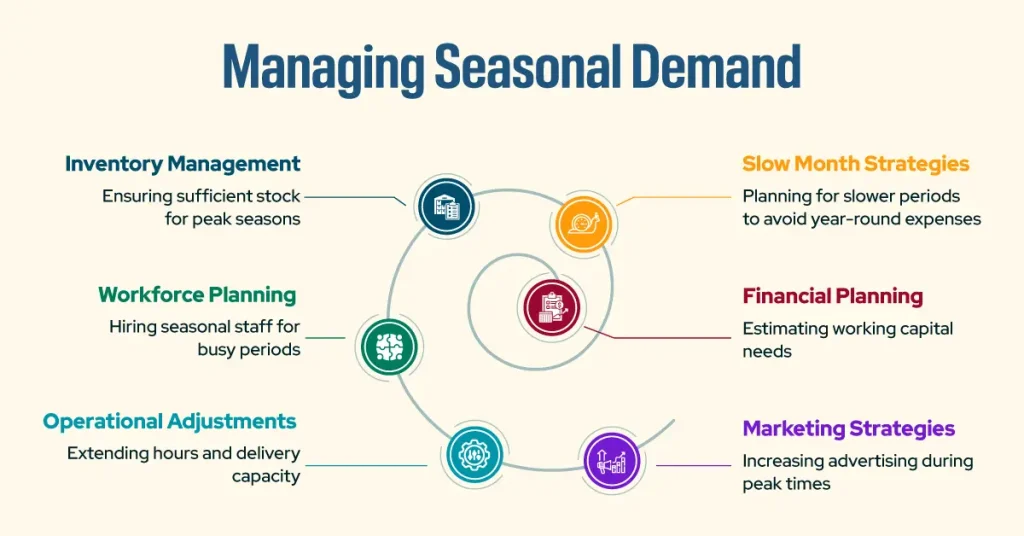
Working capital helps businesses prepare for these busy periods. It can be used to buy inventory, hire seasonal workers, increase advertising, extend hours, service equipment, or prepare delivery capacity. Planning ahead is critical because waiting until peak demand arrives may leave the business without enough cash to respond.
Seasonal businesses should use historical sales data to estimate how much working capital they need. They should also build a plan for slower months so expansion does not create year-round expenses that seasonal revenue cannot support.
Strengthening Supplier and Vendor Relationships
Reliable vendor relationships can make expansion easier. Businesses with available working capital may be able to pay suppliers on time, take advantage of early payment discounts, order in larger quantities, or secure better terms.
This matters in industries where supply reliability affects customer experience. A restaurant cannot expand catering orders without dependable food suppliers. A contractor cannot complete jobs without timely materials. A retailer cannot grow sales if popular products are out of stock.
Using working capital to maintain strong vendor relationships can also improve negotiating power. Suppliers may be more willing to extend favorable terms to businesses that pay consistently and communicate clearly.
Building a Cash Cushion for Expansion Risks
Growth brings uncertainty. New employees may take time to become productive. A new market may develop slowly. A larger customer may pay late. Equipment may need repairs. Advertising may take longer than expected to produce results.
Working capital can act as a safety cushion during expansion. Instead of spending every available dollar, business owners should keep enough liquidity to handle unexpected costs. This helps protect the core business while new growth initiatives develop.
A practical approach is to create separate budgets for existing operations and expansion activities. This makes it easier to see whether the expansion is supporting the business or draining it.
Working Capital Financing Options in Pennsylvania
Businesses in Pennsylvania can access working capital through several financing options. Each type serves a different purpose, so the right choice depends on how the business plans to use the funds, how quickly capital is needed, and how repayment will fit into cash flow.
1. Retained Earnings
Retained earnings are profits that a business keeps and reinvests instead of distributing them. This can be one of the most cost-effective ways to fund working capital because it does not require taking on debt or making loan payments.
This option may work well for businesses with steady profits that want to fund smaller expansion needs, such as purchasing inventory, covering marketing costs, or improving daily operations.
2. Business Lines of Credit
A business line of credit gives companies flexible access to funds up to an approved limit. Business owners can draw money when needed and usually pay interest only on the amount used.
This financing type may work well for recurring cash-flow gaps, seasonal expenses, emergency costs, inventory purchases, or short-term payroll needs. It is often useful for Pennsylvania businesses that experience changing demand throughout the year.
3. Term Loans
A term loan provides a lump sum of capital that is repaid over a set period with scheduled payments. This option is often used for planned business investments.
Term loans may be a good fit for expansion projects, location improvements, equipment purchases, hiring plans, or larger operational upgrades. They work best when the business knows exactly how much funding it needs and how the money will be used.
4. SBA Loans
SBA loans, including SBA 7(a) loans, are commonly used for working capital, business expansion, equipment, and other approved business purposes. These loans are offered through approved lenders and partially backed by the U.S. Small Business Administration.
SBA financing may be a strong option for eligible businesses that want competitive terms and structured repayment. Eligibility may depend on factors such as business activity, credit history, location, and ability to repay.
5. Invoice Factoring
Invoice factoring allows a business to sell unpaid invoices to a factoring company in exchange for faster access to cash. This can help companies that are waiting on customer payments but need money sooner to cover operating costs.
This option may be helpful for businesses with slow-paying customers, long billing cycles, or large outstanding invoices. It is commonly used by companies in industries such as transportation, staffing, manufacturing, construction, and B2B services.
6. Equipment Financing
Equipment financing is used to purchase or lease business equipment, machinery, vehicles, or tools. In many cases, the equipment itself may serve as collateral for the financing.
This option may be better than using general working capital for expensive assets. Pennsylvania businesses may use equipment financing to add delivery vehicles, construction machinery, medical equipment, manufacturing tools, restaurant equipment, or technology systems.
7. Merchant Cash Advances
A merchant cash advance provides upfront capital in exchange for a portion of future sales or receivables. Repayment is often tied to daily or weekly sales activity.
This option may provide fast access to funding, but business owners should carefully review the cost, repayment structure, and impact on cash flow. It may be considered by businesses with strong card sales or consistent revenue, such as restaurants, retailers, and service-based companies.
8. State or Local Financing Programs
Pennsylvania businesses may also explore state, county, municipal, or local economic development financing programs. These programs may support working capital, job creation, equipment, site improvements, or business expansion.
The right program can vary by location and business type. Companies should review available resources through Pennsylvania business support agencies, county development offices, and local economic development organizations.
How to Use Working Capital Wisely
Working capital should be used with a clear plan. Before spending, business owners should know what the money will accomplish, how it will generate revenue or improve efficiency, and how repayment will be managed.
| Area | What It Means | Why It Matters |
| Clear Spending Plan | Business owners should know exactly what the working capital will be used for before spending it. | This helps prevent unnecessary expenses and keeps the funds focused on business growth. |
| Revenue or Efficiency Goal | Each use of working capital should support more revenue, better operations, or improved efficiency. | This ensures the money is helping the business grow rather than simply covering avoidable costs. |
| Repayment Strategy | Owners should understand how repayment will be managed before using borrowed working capital. | A clear repayment plan protects cash flow and reduces financial pressure. |
| Expense Projections | A good plan should include estimated costs for payroll, inventory, marketing, equipment, or other expansion needs. | Projecting expenses helps the business avoid running short of cash during growth. |
| Revenue Forecast | Businesses should estimate how much new income the expansion may generate. | This helps owners judge whether the investment is realistic and worthwhile. |
| Payment Timing | Owners should account for when customers are expected to pay. | Even profitable businesses can face cash-flow issues if payments are delayed. |
| Best-Case and Worst-Case Planning | A smart working capital plan should prepare for both strong results and possible setbacks. | This gives the business flexibility if sales grow slowly or expenses increase. |
| Emergency Reserve | Businesses should keep a portion of funds available for unexpected costs. | A reserve helps protect daily operations during delays or surprises. |
| Key Metrics to Track | Owners should monitor gross margin, cash conversion cycle, accounts receivable, inventory turnover, payroll percentage, and customer acquisition cost. | Tracking these numbers helps measure whether working capital is being used effectively. |
| Realistic Growth Expectations | Expansion plans should allow room for delayed payments, slower sales, or marketing campaigns that take time to work. | Realistic planning keeps the business financially healthy while it grows. |
Common Mistakes to Avoid
One common mistake is using working capital for expansion without understanding cash-flow timing. A business may be profitable on paper but still run short of cash if customers pay slowly.
Another mistake is using short-term working capital for long-term assets. If a business is buying real estate or making a major facility investment, longer-term financing may be more appropriate.
Some businesses also expand too broadly. Instead of entering five new Pennsylvania markets at once, it may be smarter to test one or two nearby areas first. A Philadelphia company might begin with the Main Line or South Jersey-adjacent suburbs before expanding across the state. A Pittsburgh company might test Allegheny County suburbs before adding Erie, Johnstown, or State College.
Finally, owners should avoid borrowing without comparing options. Fast funding can be useful, but expensive repayment terms can create pressure if sales growth takes longer than expected.
Talk to Committed to Capital About Your Business Funding Options
Do not let cash-flow gaps slow down your growth plans. Committed to Capital is here to help you move forward with confidence, whether you are expanding into a new service area, preparing for seasonal demand, hiring staff, or taking on a larger project.
Contact Committed to Capital today to discuss working capital options for your Pennsylvania business and take the next step toward sustainable growth.
Final Thoughts
Working capital can help Pennsylvania businesses expand operations in a practical, flexible way. It can support hiring, inventory, marketing, payroll, equipment, seasonal demand, larger contracts, and new market entry. When used strategically, it gives business owners the cash-flow strength to grow without weakening daily operations.
The key is planning. Working capital should be tied to a clear business goal, supported by realistic projections, and managed with disciplined cash-flow tracking. Pennsylvania businesses have access to a range of private, federal, state, county, and local financing resources, but the best results come from matching the funding source to the expansion need.
For companies across Philadelphia, Pittsburgh, Harrisburg, Lancaster, Allentown, Erie, Scranton, and smaller communities throughout the Commonwealth, working capital can be more than a financial buffer. It can be the bridge between current operations and the next stage of sustainable growth.