
Keep your kitchen running and your business moving forward. Explore flexible restaurant financing options for equipment, payroll, food inventory, renovations, seasonal expenses, and expansion—with funding matched to your restaurant’s needs.
$10M+ funded
24-hour funding
$10K – $5M Loan Amounts
4.8 / 5.0 Trustpilot Verified
Running a restaurant means paying expenses long before every dollar of revenue comes in. Food inventory, staffing, rent, utilities, maintenance, and supplier invoices can create cash flow pressure—even when the dining room is busy.
Unlike businesses with predictable monthly revenue, restaurants often deal with changing customer traffic, seasonal demand, fluctuating food costs, and unexpected equipment repairs.
Common financing challenges include:
Seasonal cash flow gaps: Sales slow down, but rent, insurance, utilities, and essential payroll continue.
Unexpected equipment repairs: A broken refrigeration unit, commercial oven, or ventilation system can interrupt daily operations.
Upfront inventory purchases: Restaurants need to purchase food, beverages, and supplies before generating revenue from those items.
Restaurant expansion: Opening a second location or renovating an existing kitchen requires capital before the investment generates returns.
Restaurant business loans and working capital financing can help cover these expenses when the repayment plan is affordable and the business has a clear source of future cash flow.
Committed to Capital helps restaurant owners explore financing options suited to their operating needs, revenue patterns, and business goals.
For additional planning guidance, read our seasonal restaurant cash flow guide.
A restaurant business loan is financing used by restaurant owners and food service businesses to pay for operating expenses, purchase equipment, manage cash flow, or support business growth.
Restaurant financing is not one specific loan product. Depending on the business, available options may include:
Short-term business loans
Long-term business loans
Business lines of credit
Restaurant equipment financing
SBA 7(a) and 504 loans
Invoice factoring or financing
Revenue-based financing
Some alternative products, such as merchant cash advances, are not traditional loans and have different pricing and repayment structures.
The best financing option depends on three main factors:
Purpose of funding: Are you purchasing kitchen equipment, covering payroll, buying inventory, or opening another location?
Funding timeline: Do you need money for an immediate repair, or are you planning a renovation several months away?
Financial profile: Your restaurant’s revenue, operating history, credit, existing debt, and available collateral can affect eligibility.
The goal is not simply to borrow money. It is to choose financing that solves a specific business need without creating unnecessary repayment pressure.
Restaurant business financing provides access to capital that is repaid according to the terms of the selected financing product.
Here’s how it generally works:
1. Assess Your Restaurant’s Funding Needs
Determine the amount you need and how the money will be used. For example, a restaurant replacing a commercial refrigerator has a different financing need than one preparing to open a second location.
2. Review Business Financials
A financing provider or lender may review your recent bank statements, business revenue, time in operation, credit profile, existing obligations, and payment processing activity.
3. Choose a Financing Structure
Depending on the product, approved financing may be provided as:
A lump-sum business loan
A revolving line of credit
Equipment-specific financing
Capital repaid according to a revenue-based arrangement
4. Repay According to Your Agreement
Repayment may be monthly, weekly, daily, or linked to revenue, depending on the product. Some arrangements include fixed installments, while others have variable payments.
Suppose a restaurant needs to replace an aging commercial oven while preparing for a seasonal increase in inventory.
Equipment financing may be appropriate for the oven because it is a long-term business asset. A business line of credit may be more suitable for recurring food purchases and supplier payments.
Using the right financing structure for each expense can help restaurant owners avoid using short-term borrowing for investments that take years to generate returns.
Before accepting an offer, compare total repayment, interest or factor rate, fees, repayment frequency, collateral requirements, and any personal guarantee.
The right financing option depends on what your Restaurant Business needs the money for and how quickly you need access to capital. Here’s a side-by-side comparison of every funding product we offer Restaurants & Food Service Businesses.
| Loan Type | Best For | Loan Amount | Term | Funding Speed | Min. FICO |
|---|---|---|---|---|---|
| Short-Term Business Loan | Bridging cash gaps, urgent inventory, seasonal dips | $10K – $500K | 3 – 24 months | 24–48 hours | 650+ |
| Long-Term Business Loan | New locations, major build-outs, large capital projects | $25K – $2M | 2 – 10 years | 3–7 days | 650+ |
| Business Line of Credit | Revolving working capital, food/beverage inventory, payroll | $10K – $500K | Revolving | 24–72 hours | 650+ |
| Equipment Financing | Ovens, refrigeration, POS systems, kitchen hoods, furniture | $25K – $5M | 2 – 7 years | 24–72 hours | 650+ |
| SBA 7(a) / 504 Loans | Real estate, large equipment, refinancing debt | $50K – $5M | 10 – 25 years | 30–90 days | 650+ |
| Invoice Factoring / Financing | Catering & wholesale accounts on net-30/60/90 terms | Up to 90% of invoice value | Per invoice | 24–48 hours | 600+ |
| Merchant Cash Advance | Fast capital when credit is weak, against daily card sales | $5K – $500K | 3 – 18 months | Same day | 500+ |
The right financing depends on where you are in the restaurant lifecycle.
Starting a restaurant requires upfront capital for commercial kitchen equipment, lease improvements, furniture, permits, inventory, and staffing. Startup loans, equipment financing, and eligible SBA programs can help cover these costs, depending on your qualifications.
Restaurants need steady cash flow to cover payroll, food inventory, supplier payments, utilities, and seasonal expenses. A restaurant working capital loan or business line of credit can help manage these ongoing costs and maintain smooth operations.
Expanding your restaurant may involve opening a second location, renovating your dining area, purchasing equipment, or launching catering services. Long-term business loans and SBA financing can help fund these investments while spreading repayment over time.
Anything that keeps your restaurant running or growing. The most common uses we fund:
A short-term business loan provides a lump sum that is repaid over a relatively short period.
It may be useful when a restaurant faces a temporary expense or expects additional revenue in the near future.
Best for: Urgent inventory orders, temporary working capital gaps, equipment repairs, and other short-term operating needs.
What to consider: Shorter repayment periods and frequent payments can put pressure on daily restaurant cash flow. Compare the total cost before accepting an offer.
Long-term restaurant financing provides funds repaid over an extended period, making it more suitable for large investments.
Restaurant owners may consider this option when financing a dining room renovation, major kitchen upgrade, property purchase, or business expansion.
Best for: Second locations, substantial renovations, acquisitions, and other long-term projects.
What to consider: Longer repayment terms may reduce individual payment amounts but can increase total interest costs, depending on the rate and loan structure.
Explore our term loan financing options.
A restaurant business line of credit provides access to an approved credit limit that can be used as needed, subject to the agreement.
Unlike a traditional lump-sum loan, a revolving credit line may let you borrow, repay, and borrow again without submitting a new application for every eligible draw.
Best for: Food inventory, recurring supplier invoices, payroll gaps, seasonal staffing, and short-term working capital.
A line of credit may be especially helpful when a restaurant experiences predictable seasonal changes but needs consistent access to operating capital.
What to consider: Interest generally applies to borrowed balances, while draw fees, maintenance fees, and repayment requirements vary by provider.
Learn more about our business line of credit financing.
Restaurant equipment financing helps owners purchase essential commercial kitchen equipment while spreading the cost over time. Common purchases include commercial ovens, refrigerators, freezers, dishwashers, ventilation systems, POS systems, and dining furniture. Depending on the agreement, the equipment itself may serve as collateral.
Best for: Replacing kitchen equipment, upgrading restaurant operations, and opening new locations.
Equipment Financing vs. Leasing: Equipment financing allows businesses to purchase equipment over time, while leasing may offer lower upfront costs with different ownership terms. Compare total costs, maintenance responsibilities, and purchase options before deciding.
SBA-backed loans help eligible restaurant owners finance business expansion, equipment purchases, commercial real estate, and working capital. Two common options are SBA 7(a) and SBA 504 loans.
SBA 7(a) Loans
SBA 7(a) loans can support restaurant working capital, kitchen equipment purchases, leasehold improvements, business acquisitions, expansion, and eligible debt refinancing. Loan amounts can reach $5 million, depending on program requirements and lender approval.
SBA 504 Loans
SBA 504 loans are designed for major fixed assets, including qualifying commercial real estate and long-life machinery or equipment. They cannot be used for everyday operating expenses such as payroll, food inventory, or routine working capital.
Best for: Restaurant expansion, commercial property purchases, equipment investments, and qualifying major capital projects.
What to Consider: SBA loans generally require detailed financial documents, tax returns, eligibility verification, and a longer approval process than some alternative financing options.
Explore SBA 7(a) and 504 financing options.
Invoice factoring and invoice financing help eligible restaurant-related businesses access working capital from unpaid customer invoices. These options are particularly useful for corporate catering companies, wholesale bakeries, commercial food suppliers, and event food service providers.
Invoice Factoring
Invoice factoring allows businesses to sell eligible unpaid invoices to a factoring company, which typically handles customer payment collection.
Invoice Financing
Invoice financing allows businesses to obtain funding against outstanding invoices while generally remaining responsible for collecting customer payments.
Best for: Catering businesses, wholesale food suppliers, and other food service companies waiting for payment on qualifying business-to-business invoices.
What to Consider: Invoice eligibility, customer creditworthiness, financing fees, repayment responsibilities, and collection terms can affect overall costs.
Learn about invoice factoring solutions.
Revenue-based financing is an alternative funding structure in which payments may be tied to a percentage of business revenue, depending on the agreement.
For restaurants with changing sales patterns, a properly structured revenue-based arrangement may provide payments that adjust as revenue rises or falls.
A merchant cash advance (MCA) is a different type of transaction, commonly involving the purchase of future business receivables. It is not the same as a conventional restaurant loan, and repayment arrangements vary.
Best for: Businesses with established sales that are comparing alternative financing structures.
What to consider: Review the total amount owed, fees, reconciliation provisions, payment frequency, and how collections affect cash flow. An MCA or revenue-based product can be expensive and is not automatically the best choice for poor credit.
Explore our revenue-based financing options.
Purchase ingredients, beverages, packaging, and other food service supplies before expected customer demand.
Replace aging refrigeration units, ovens, cooking equipment, dishwashers, and ordering technology.
Cover eligible staffing costs, support seasonal hiring, and prepare employees for higher customer volume.
Finance dining room improvements, kitchen renovations, outdoor seating, and qualifying property improvements.
Purchase food and supplies for upcoming catering contracts, corporate events, and large customer orders.
Explore financing for restaurant acquisitions, second locations, delivery-only kitchens, and food truck operations.
Help cover predictable expense gaps during slower periods or prepare inventory and staffing before a busy season.
Invest in online ordering systems, POS upgrades, delivery technology, restaurant marketing, and customer retention tools.
Committed to Capital helps food service businesses explore funding options across a wide range of restaurant models.
Full-Service Restaurants
Quick-Service & Fast-Casual Restaurants
Cafés, Coffee Shops & Bakeries
Bars, Pubs & Breweries
Food Trucks & Mobile Vendors
Ghost Kitchens & Delivery-Only Restaurants
Pizzerias & Specialty Restaurants
Catering & Event Businesses
Franchise Restaurants
Ethnic & Specialty Cuisine Restaurants
Diners, Delis & Sandwich Shops
Juice Bars & Smoothie Shops
Nightclubs & Lounges With Food Service
Hotel & Hospitality Food Service
Eligibility depends on the financing product, the type of business, and lender requirements.
Don’t see your restaurant type? Contact our team to discuss your funding needs and available options.
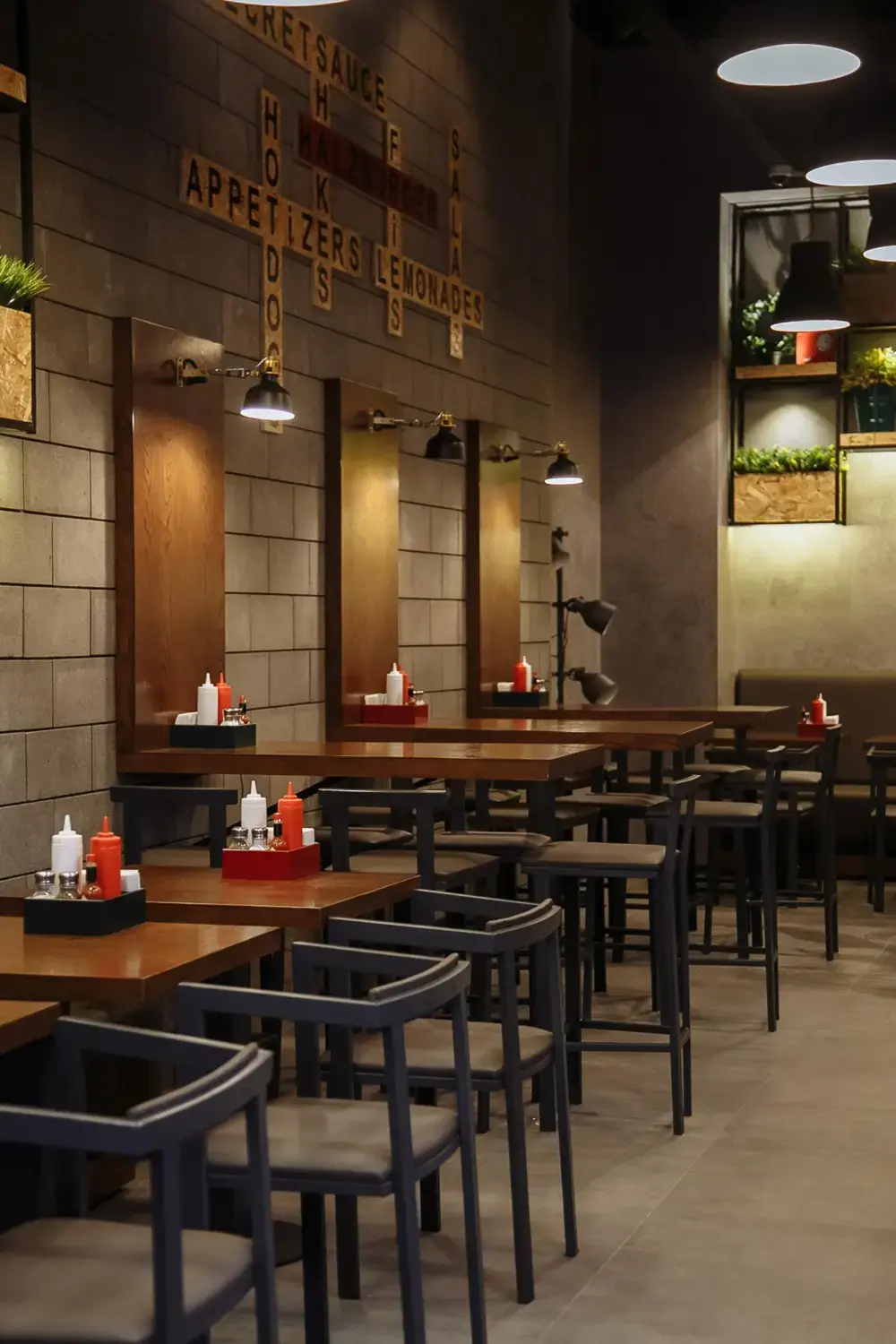
Choosing business financing involves more than finding the lowest advertised interest rate.
Traditional banks can be a good option for established restaurants with strong financial statements, favorable credit, and enough time to complete underwriting.
Committed to Capital helps business owners review multiple financing solutions and evaluate which products may fit their circumstances.
Restaurant business loan requirements depend on the lender, financing product, requested amount, and overall business profile.
What Restaurant Owners Are Saying About Us
A guided process that respects your time. No faxing, no surprise documentation requests.
Provide basic restaurant details, revenue, and funding needs.
We review your information and identify suitable financing options.
Review your loan terms, accept an approved offer, and receive funding.
Explore additional financing options as your restaurant grows.
A restaurant business loan is financing used to cover expenses such as equipment, food inventory, payroll, renovations, or expansion. Common options include term loans, business lines of credit, equipment financing, and SBA-backed loans.
Funding speed depends on the product, lender, and documentation. Some alternative financing programs may provide decisions and funding within a few business days. SBA loans and more complex financing arrangements generally take longer.
We offer restaurant financing from $10K to $5M, depending on your revenue, time in business, and the product you choose. Equipment financing and SBA loans support the largest amounts, while short-term loans and lines of credit are ideal for smaller, faster needs.
A line of credit may be better for recurring expenses such as inventory and seasonal payroll. A short-term loan may suit a specific one-time need. Compare interest, fees, repayment frequency, and total borrowing cost before choosing.
For most financing options, you’ll need a simple application, 3–6 months of business bank statements, and basic business and ownership details. We use revenue-based underwriting, so tax returns or audited financial statements may not be required for many financing products. However, some lenders may request additional documents, such as identification, financial statements, business projections, or equipment quotes. SBA loans typically require more detailed documentation.
Possibly. Some alternative lenders consider restaurant revenue, cash flow, and operating history alongside credit. However, lower credit scores can limit available options or increase borrowing costs. Approval depends on the specific lender and financing product.
Yes, eligible businesses may explore startup funding, equipment financing, term loans, or SBA programs. New restaurants often need a detailed business plan, financial projections, and owner investment because they lack established operating revenue.
Equipment financing may suit restaurants that want to own commercial kitchen equipment over time. Leasing may offer different upfront costs and end-of-term options. Compare total payments, equipment life, maintenance obligations, and ownership terms.